

Two pieces of feedback I hear a lot:
“You’re busy! You do a lot. Do you ever rest?!”
and
“You have excellent boundaries.”
The interesting thing is 1) both observations are true and not true (more on that below), 2) to the extent that they’re accurate, they’re very much related.
Some examples of what I do with “boundaries”:
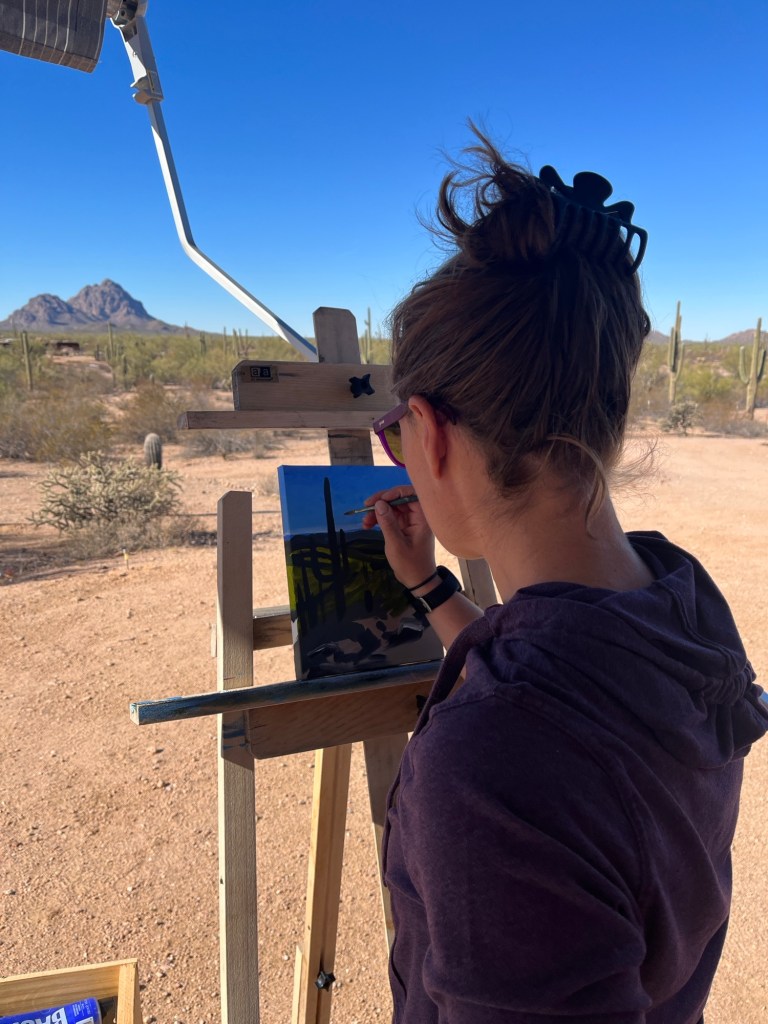
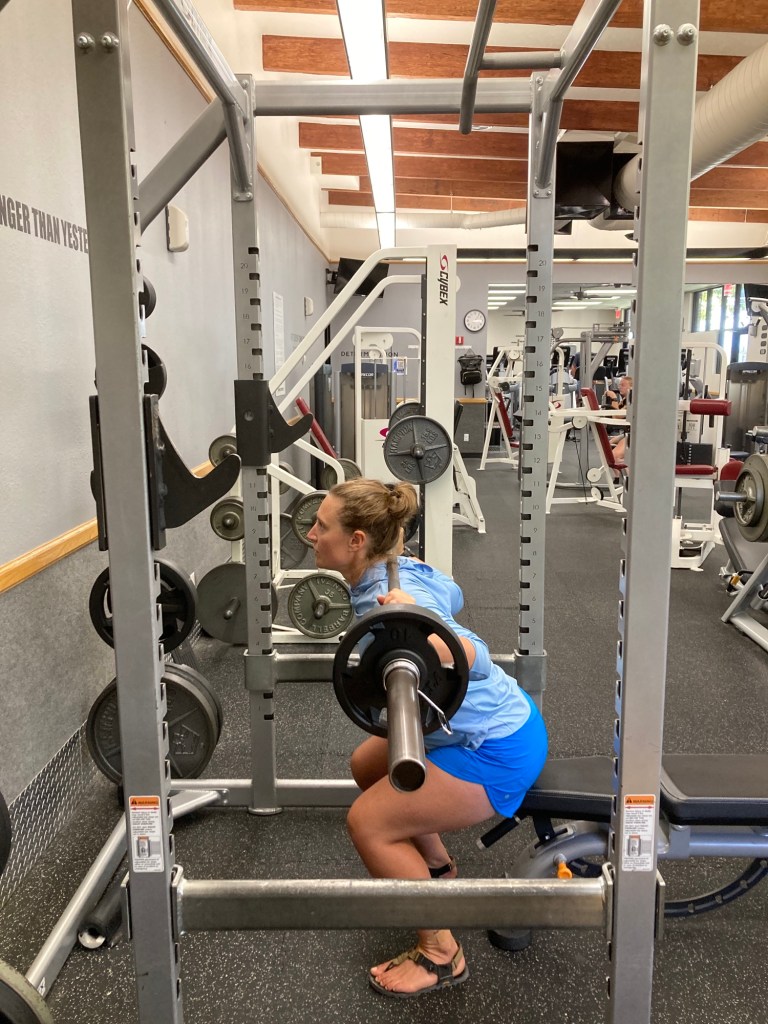

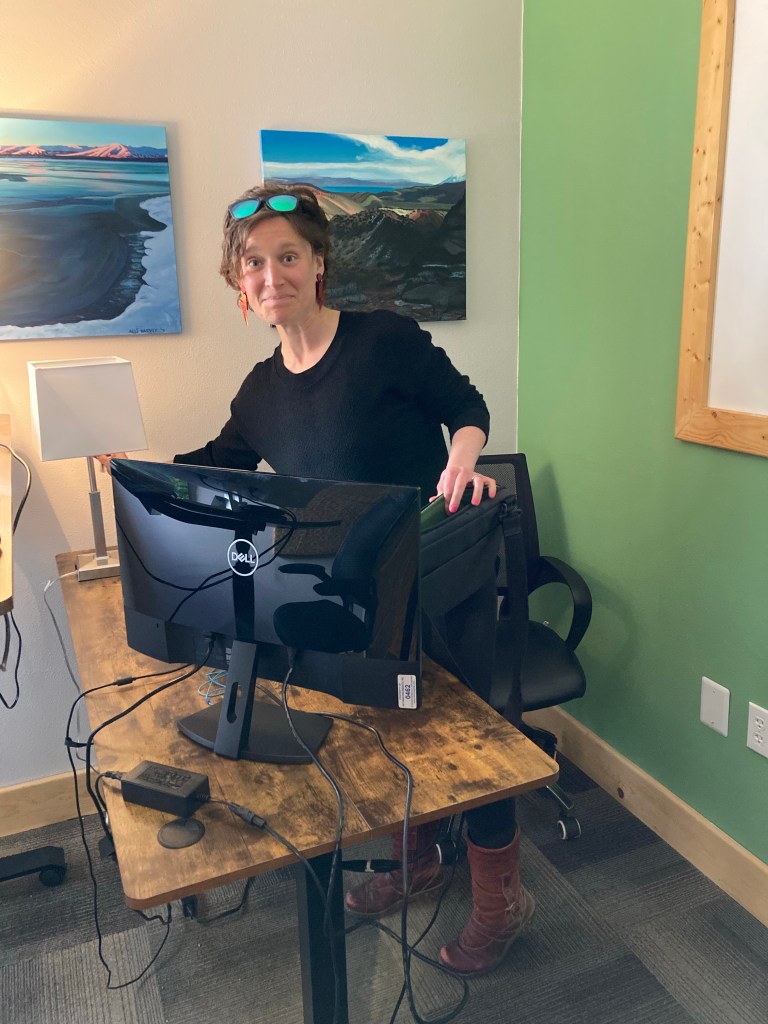

First of all: yes I rest! If I didn’t set supposed “boundaries” for myself (I dislike that word and can’t wait to share why in a minute) that’s probably most of what I would do with my life. Loll, loaf, mouth breathe, bask. There’s nothing wrong simply inhabiting and enjoying life. Much of my own, and likely yours, is spent elaborately constructing opportunities to maximize that very feeling. But for me to fully experience life while also living my values I have to do something with myself.
I look at it this way: the most terrifying thing I can imagine is getting to the “end”, whenever that is, looking back at my life, and feeling regret about frittering it away. There will always be some fritter; that’s fine. But if I get to my deathbed and say to myself what did you do?! That prospect, my friends, motivates me into quite a bit of logging off social media, lest another hour of drooling and scrolling go by.
So this brings us to “boundaries”, a popular word that I – again – do not like.
The word “boundary” invokes something rigid. To me, it sounds like digging a moat-like trench around oneself and saying thou shalt not cross. A boundary is a protection; a safety. It’s a line on a map.
While the idea of a thick, wall-like protection sounds soothing to me, real life informs me that it rarely if ever exists in nature. Comets blaze right through the earth’s protective atmosphere. Animals ford rivers. Human beings raid others’ clearly defined space.
When I try to create rigid boundaries, usually an overcompensation, I fail. There is so little in life that is straight up right and wrong, as much as I crave the certainty of that worldview. Safety exists on a continuum. The nature of being is such that I am never actually fully safe, emotionally or physically.
Sorry. Something or someone could hurt me at any moment. That is completely out of my control.
But – BUT. I do have power and say-so over the decisions I make for managing my body and my attention, and how I explain and negotiate that with others and my physical environment. This gives me quite a bit of autonomy. After all, this mind and body makes up my entire perspective and lived experience of the world. This is me.
I don’t have a better word than “boundary”, but how I think of it is 1) proactive – doing what I say I will do, and 2) reactive – noticing if I feel compromised by an action or situation, and figuring out what I need to right it.

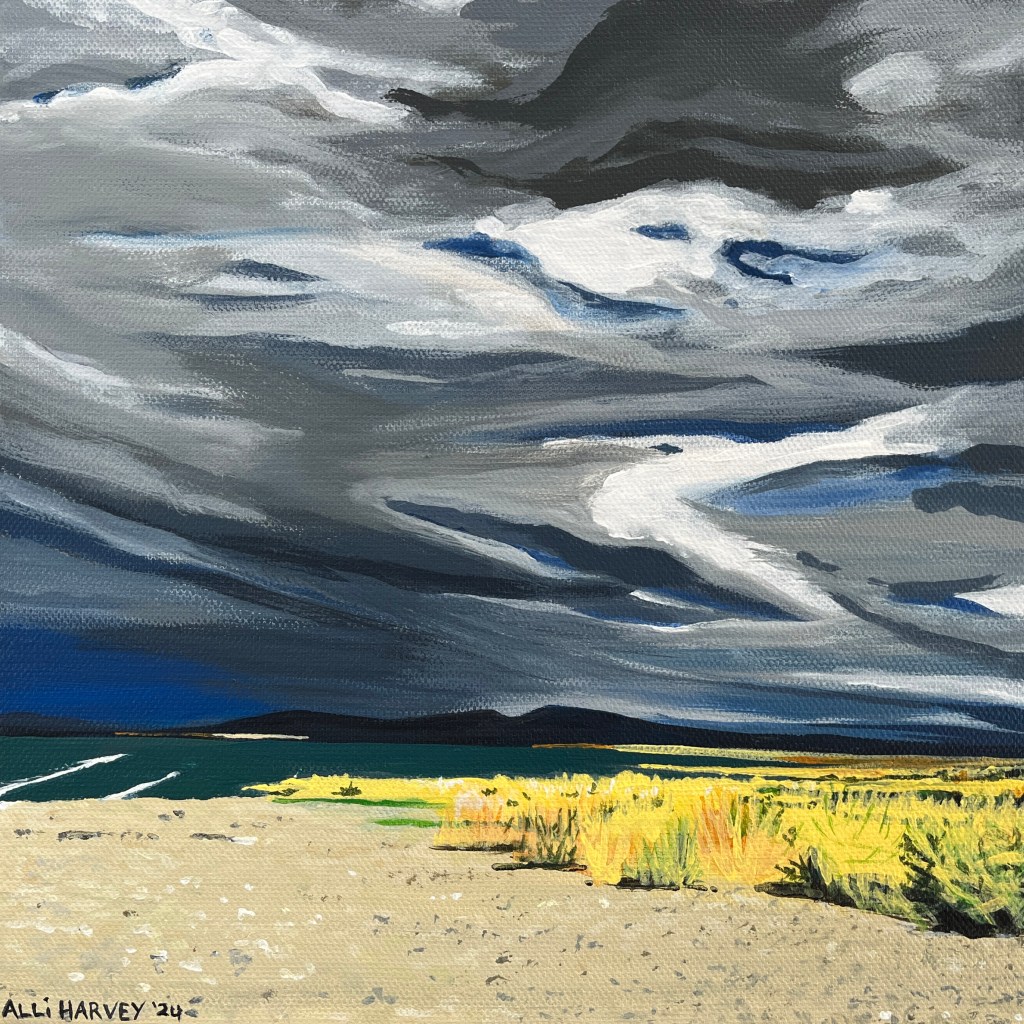
Proactive actions include saying: self, you will move your body daily because it makes you feel better and it’s good for your long term health or I’m going to use my good morning focus to immerse myself in a painting tomorrow. I’ll put it away by noon, take a walk, and then pivot into consulting, or put your damn phone on “Do Not Disturb” mode – you can miss one hours’ worth of the family text thread currently recapping Housewives.
Doing what I say I will do helps me follow through on my commitments to myself to create and inhabit meaning in my life. I can paint, write, consult, hike, or spend time with friends/family with my full self.
But that leads me to the “reactive” part. I do quite a bit to manage my focus which for me is a fickle, annoying toddler who is chaotically and giddily soaking up whatever happens to be remotely shiny and in grabbing distance. Usually my phone.
All sorts of predators lurk in trying to steal her away. I have to construct elaborate “hacks” to guide focus where I want her, and protect her from the elements.
Some of these include:


- Being scrupulous with use of my personal cell phone. I have a phone fully dedicated to art, and a personal cell. There’s often unspoken pressure in consulting to be available, all the time. I’m not. I give clients my cell only for logistical, and very rarely for other extenuating circumstances, and even then I ask them not to share it.
- Communication protocols and windows. With my coworkers, I’m available via my cell phone for time sensitive questions that, truly, only I can answer but I ask for folks to default to emails that I check when I’m ready. After all, when I’m painting and get a consulting-related text? My brain is now humming on work, and not being present. I keep a work calendar updated up to the hour so folks know when I’ll be available, and clients/coworkers are welcome to set up meetings with me even if I’m currently out of the office.
- Tracking tasks. Part of my focus is my limited memory. I don’t want to use much of my brain tracking disparate tasks/context living in phone conversations, chats, or text messages. I have an ongoing check list, notes from phone calls/meetings, and I use email as a living memory. Text or gchat is for quick coordination or fun.
Again: I can’t control who does or does not call me, or when. But I can control who gets the number, what I say about it, and the request(s) I make if/when something isn’t working for me.
Maybe it sounds scary or overly onerous to have these kinds of conversations with people, like I’m throwing a hammer down. It’s gotten a lot easier over time. For me, part of it is not framing these conversations as “boundary setting”. I actually never use that word. I approach them as stating an action, likely intent, impact on me, and request for the future.
Example: “Hey, when you texted me on my off-day about that consulting related thing, I was painting. The text threw my focus for a loop. I don’t think that was your intent. Will you default to e-mail and only text me if it’s something that can’t wait?”
Then we talk about it, and it’s fine. Rinse, repeat next time it inevitably happens with someone else – after all, people have wildly different approaches to using their phones and managing their own attention.
I share all of this because this impression of me “doing a lot” coupled with my supposed excellent boundary setting is really simply about guiding attention. When I art, I art. Consulting, I’m both feet in. When I spend time with my friends, I’ve finally gotten to the point of putting my damn phone away. There’s plenty of in between and off time for the scrolling and Wikipedia rabbit holes, because life is long, but in the big scheme of things there’s just so much I hope to do. Most importantly I want to experience it all, to the very best of my ability.